Insights to Level Up Your Happiness, Personal Growth, Relationships, and Mental Health
This is about tangible change. With actionable insights, it'll reshape your thinking and empower you to unlock the best version of yourself.

Personal Growth
You Become What You Think
What if the quality of your life is shaped not only by your circumstances, but by the thoughts you consistently allow to guide you?
The truth is simple, yet life-changing: You become what you think.
Your thoughts influence your emotions.
Your emotions influence your decisions.
Your decisions shape your habits.
And your habits ultimately shape your life.
Many people spend years trying to change their lives without first changing the internal patterns that control how they think, react, believe, and perceive the world around them. Real transformation does not begin on the outside. It begins within.
This is not about temporary motivation or empty positivity.
It is about creating tangible, lasting change through awareness, intentional thinking, emotional growth, and purposeful action.
The goal is not perfection.
The goal is becoming more conscious, more empowered, and more aligned with the best version of yourself.
Your Mind Is Always Creating Your Future
Every day, your mind absorbs experiences, forming beliefs, and reinforcing patterns.
If you constantly think:
- “I’m not good enough,”
- “Nothing ever works out for me,”
- “People can’t be trusted,”
- “I’ll never change,”
Your mind begins treating those thoughts as truth.
Over time, repeated thoughts become emotional habits. Emotional habits become behaviors. Behavior becomes identity.
But the opposite is also true.
When you intentionally develop thoughts rooted in growth, possibility, discipline, gratitude, self-respect, and purpose, your entire perspective begins to shift.
You begin to:
- respond differently to challenges,
- communicate more effectively,
- build healthier relationships,
- make wiser decisions,
- and see opportunities where you once saw limitations.
Your thinking becomes the foundation for your transformation.
Self-Awareness Is the Beginning of Growth
One of the greatest breakthroughs in personal development is learning to observe your thoughts instead of automatically believing them.
Not every thought deserves your trust.
Many thoughts are rooted in:
- Fear,
- past pain,
- insecurity,
- conditioning,
- disappointment,
- or limiting beliefs formed years ago.
Self-awareness allows you to pause and ask:
- Why do I think this way?
- Is this belief helping or harming me?
- Am I reacting from wisdom or emotion?
- What kind of person am I becoming through these patterns?
Growth begins the moment you stop living unconsciously.
The more aware you become of your internal dialogue, the more power you gain to redirect your life.
Your Environment Shapes Your Thinking
The people you spend time with, the media you consume, the conversations you engage in, and the energy you surround yourself with all influence your mindset.
Negative environments often produce:
- Fear,
- anxiety,
- comparison,
- emotional exhaustion,
- and self-doubt.
Healthy environments encourage:
- clarity,
- confidence,
- creativity,
- emotional stability,
- and hope.
Protecting your mind is one of the most important forms of self-respect.
Be intentional about:
- what you watch,
- what you listen to,
- who you allow access to your energy,
- and the voices you repeatedly expose yourself to.
Your mind grows in the direction of what you consistently feed it.
Happiness Is Built from Within
Many people spend their lives chasing happiness through achievement, validation, money, status, or external approval.
But lasting happiness is rarely found externally.
True happiness is deeply connected to:
- inner peace,
- gratitude,
- meaningful relationships,
- purpose,
- emotional balance,
- and self-acceptance.
When your thoughts are constantly focused on lack, comparison, resentment, or fear, happiness becomes difficult to sustain.
But when you train your mind to recognize growth, appreciate progress, and focus on possibility rather than limitation, your emotional well-being begins to strengthen.
Happiness is not the absence of problems.
It is the ability to maintain perspective, hope, and inner stability while navigating life’s challenges
Action Creates Transformation
Insight alone does not change your life.
Applied insight does.
Real growth happens when you begin practicing what you learn consistently.
Transformation may begin with small decisions:
- changing your morning routine,
- speaking more positively,
- reading growth-oriented material,
- setting healthier boundaries,
- limiting negative influences,
- practicing gratitude,
- or taking responsibility for your emotional responses.
Small daily shifts create powerful long-term results.
The life you want is often built through repeated choices, not one dramatic moment.
The Best Version of Yourself Already Exists Within You
Personal development is not about becoming fake or artificial.
It is about removing fear, limitations, distractions, and negative conditioning that prevent your authentic self from emerging.
Within you already exists:
- greater wisdom,
- deeper strength,
- creativity,
- compassion,
- resilience,
- purpose,
- and untapped potential.
The journey is learning how to access it.
When you change your thinking, you begin changing:
- how you see yourself,
- how you see others,
- and how you experience life itself.
And over time, you realize something powerful:
Your thoughts are not just shaping your mood.
They are shaping your identity, your future, and the person you are becoming.
Because ultimately…
You become what you think.
.
Mindset
Build clarity, confidence, and stronger thinking patterns to navigate life's challenges effectively.
Unleashing the Power Within: How Mindset Shapes Your Success, Purpose, and Personal Growth
Life does not come with a roadmap. Every person faces moments of uncertainty, disappointment, fear, and self-doubt. Yet within every challenge lies an opportunity to grow, transform, and discover the extraordinary potential already inside you. The foundation of success, fulfillment, and happiness begins with one powerful truth: your mindset shapes your reality.
Honoring the People Who Shape Our Journey
Behind every successful person are individuals who helped shape their values, beliefs, and direction in life. The lessons we learn from parents, mentors, teachers, and life experiences often become the foundation upon which we build our future.
Wisdom is not always found in classrooms or textbooks. Sometimes the greatest lessons come from people who demonstrate resilience, integrity, spirituality, compassion, and perseverance through everyday life. These influences help guide us toward discovering our true purpose and understanding that success is not only measured by financial achievement, but by the positive impact we have on others.
Living Life on Purpose
Living life on purpose means choosing to live intentionally rather than simply existing. It means aligning your actions with your values, passions, and long-term goals. Purpose gives direction to your life and provides clarity during difficult seasons.
People who live intentionally often experience:
- Greater fulfillment
- Stronger emotional resilience
- Better decision-making
- Increased confidence
- Deeper relationships
- Higher levels of personal satisfaction
Purpose is not a destination. It is an evolving journey of self-discovery and growth. As life changes, your understanding of purpose may also evolve. The key is remaining true to yourself while continuing to grow into the best version of who you are meant to become.
The Power of Mindset
Your mindset influences every area of your life, including your relationships, business, emotional health, and ability to overcome adversity. The way you think determines how you respond to opportunities, challenges, setbacks, and success.
Fixed Mindset vs. Growth Mindset
There are two primary types of mindsets:
Fixed Mindset
A fixed mindset believes abilities and intelligence are permanent and cannot change. Individuals with this mindset often:
- Avoid challenges
- Fear failure
- Give up easily
- Compare themselves to others
- Resist growth opportunities
Growth Mindset
A growth mindset believes skills, intelligence, and abilities can improve through effort, learning, and persistence. People with a growth mindset:
- Embrace challenges
- Learn from mistakes
- Stay resilient during setbacks
- Seek continuous improvement
- View failure as part of growth
Developing a growth mindset is one of the most important decisions a person can make because it transforms obstacles into opportunities.
Why Self-Awareness Matters
Personal growth begins with self-awareness. Many people want change without first examining the thoughts, emotions, and habits holding them back.
Common mindset struggles include:
- Fear of failure
- Self-doubt
- Low self-esteem
- Negative self-talk
- Anxiety about the future
- Comparison and envy
- Lack of confidence
These emotional barriers can quietly sabotage success if left unchecked. The first step toward transformation is honest self-reflection.
Evaluate Your Inner Dialogue
Pay attention to the words you repeatedly use with yourself:
- “I can’t.”
- “I won’t.”
- “I should have.”
- “I’m not good enough.”
Negative self-talk creates limiting beliefs that eventually influence your actions and results. Replacing destructive thoughts with empowering beliefs helps create emotional strength and confidence.
Positive Thinking and Its Benefits
Positive thinking is not about pretending life is perfect. It is about choosing hope, resilience, and possibility even during difficult moments.
Research consistently shows that positive thinking contributes to:
- Improved mental health
- Reduced stress and anxiety
- Better physical health
- Stronger relationships
- Increased motivation
- Greater creativity
- Enhanced resilience
- Better decision-making
A positive mindset allows you to approach challenges with confidence instead of fear. It encourages solution-focused thinking and helps you remain emotionally balanced during adversity.
Face Your Fears Before They Become Your Limits
Fear is one of the greatest barriers to personal growth. Many people spend years avoiding discomfort, risk, or uncertainty, only to discover later that fear limited their potential.
The truth is:
Growth rarely happens inside your comfort zone.
When you confront your fears:
- Confidence grows
- Resilience strengthens
- Opportunities increase
- Personal transformation begins
Fear is not a signal to stop. Often, it is a signal that growth is about to occur.
Needs Over Wants: Building a Balanced Life
Modern society often encourages instant gratification and excessive consumption. However, true fulfillment comes from learning to prioritize needs over temporary desires.
Needs Include:
- Health
- Shelter
- Emotional well-being
- Education
- Meaningful relationships
- Purpose
Wants Include:
- Luxury
- Status symbols
- Excessive entertainment
- Impulse purchases
When people focus on needs first, they often experience:
- Greater financial stability
- Reduced stress
- Improved discipline
- Stronger long-term fulfillment
Learning to distinguish between what is necessary and what is merely desirable creates a healthier and more intentional life.
Disappointments Build Resilience
Disappointments are unavoidable. Every person experiences setbacks, failures, rejection, and unexpected challenges. However, adversity often becomes the greatest teacher.
Difficult moments help develop:
- Emotional strength
- Problem-solving skills
- Patience
- Wisdom
- Character
- Perspective
Instead of asking, “Why is this happening to me?” ask:
- “What can I learn from this?”
- “How can I grow from this experience?”
- “What strengths can this challenge develop within me?”
Your response to disappointment determines whether adversity becomes your limitation or your breakthrough.
Building Resilience During Difficult Times
Resilience is the ability to recover and move forward after adversity. It does not mean avoiding pain; it means learning how to navigate hardship with strength and determination.
Practical Ways to Build Resilience
Developing a Growth Mindset
View challenges as opportunities for growth instead of evidence of failure.
Practice Self-Compassion
Speak to yourself with kindness rather than harsh criticism.
Build a Support Network
Surround yourself with positive, encouraging people who inspire growth.
Focus on Solutions
Instead of dwelling on problems, take action toward possible solutions.
Maintain Healthy Habits
Exercise, sleep, proper nutrition, and stress management strengthen emotional resilience.
Learn From Setbacks
Every setback contains lessons that can improve your future decisions.
How to Stay Positive in Difficult Seasons
Staying positive does not mean ignoring reality. It means refusing to allow negativity to control your mindset.
Effective Strategies for Staying Positive
Practice Gratitude
Focus on what is good in your life rather than what is missing.
Reframe Negative Thoughts
Replace limiting beliefs with empowering perspectives.
Limit Negative Influences
Reduce exposure to toxic environments, negative conversations, and unhealthy media consumption.
Spend Time in Nature
Nature helps reduce stress and improves emotional well-being.
Help Others
Acts of kindness increase happiness and provide a sense of purpose.
Focus on the Bigger Picture
Most setbacks are temporary, even when they feel overwhelming in the moment.
Handling Setbacks with Strength
Setbacks are not signs of failure. They are part of the process of growth and achievement.
Healthy Ways to Handle Setbacks
Acknowledge the Situation
Accept reality instead of denying it.
Reflect and Learn
Analyze what happened and identify lessons for future growth.
Avoid Self-Blame
Failure does not define your worth or potential.
Adjust Your Plan
Sometimes success requires changing your approach rather than abandoning your goal.
Stay Persistent
Consistency and perseverance are often the difference between success and failure.
The Role of Self-Discipline in Success
Self-discipline is the bridge between goals and achievement. Motivation may inspire action temporarily, but discipline creates long-term consistency.
Ways to Develop Self-Discipline
Set Clear Goals
Define exactly what you want to achieve.
Create Daily Routines
Structure reduces distractions and increases productivity.
Practice Delayed Gratification
Focus on long-term rewards instead of temporary comfort.
Remove Temptations
Create environments that support success.
Start Small
Discipline grows through consistent small actions over time.
Identifying Your Core Values
Core values are the principles that guide your decisions, behavior, and priorities. They define who you are and what matters most to you.
Examples of core values include:
- Integrity
- Compassion
- Honesty
- Faith
- Service
- Growth
- Excellence
- Responsibility
When your actions align with your values, life becomes more meaningful and authentic.
Goal Setting and Action Planning
Goals provide direction, focus, and motivation. Without goals, people often drift through life without clear purpose or progress.
SMART Goals
Effective goals should be:
- Specific
- Measurable
- Achievable
- Relevant
- Time-bound
Action Planning
To achieve your goals:
- Break large goals into smaller tasks.
- Set deadlines.
- Track progress regularly.
- Celebrate milestones.
- Adjust your strategy when necessary.
Consistent action, even small steps, creates long-term transformation.
The Responsibility Mindset
A responsibility mindset means taking ownership of your choices, behaviors, and outcomes instead of blaming circumstances or other people.
Key Components of a Responsibility Mindset
Accountability
Take ownership of your actions and decisions.
Proactivity
Act before problems grow larger.
Adaptability
Adjust when life changes unexpectedly.
Integrity
Do the right thing even when no one is watching.
Continuous Learning
Use mistakes as opportunities for growth.
Empathy and Collaboration
Support others while contributing positively to your environment.
Final Thoughts: Unleash the Power Within
Every person has untapped potential waiting to be discovered. The difference between those who remain stuck and those who transform their lives often comes down to mindset, discipline, resilience, and purpose.
You have the ability to:
- Change your thinking
- Overcome fear
- Build resilience
- Develop discipline
- Create meaningful goals
- Live intentionally
- Leave a positive impact on others
Personal transformation begins the moment you decide to take responsibility for your growth and believe that change is possible.
The journey will not always be easy, but growth never happens by accident. It happens through intentional effort, consistent action, and the willingness to keep moving forward even when life becomes difficult.
Your thoughts shape your reality.
Your mindset shapes your future.
And your future begins with the choices you make today.
Spiritual Growth
Spiritual Growth: Strengthening Your Mind, Purpose, and Connection to Life
What Is Spiritual Growth?
Spiritual growth is the process of developing a deeper understanding of yourself, your purpose, your values, and your connection to God, humanity, and the world around you. It is not limited to religion alone. Spiritual growth involves becoming more aware, compassionate, disciplined, and aligned with truth and purpose.
For many people, spiritual growth becomes the foundation for emotional healing, personal transformation, inner peace, and a meaningful life. It helps individuals move beyond fear, negativity, confusion, and emotional emptiness toward wisdom, clarity, faith, and fulfillment.
My journey of spiritual growth and personal transformation did not happen alone. It was shaped and influenced by remarkable individuals whose wisdom, strength, faith, and guidance helped mold the person I am today.
First and foremost, I honor my mother, Edna Coates, a woman small in stature yet overflowing with wisdom, grace, ethics, and inner strength. She carried a deep understanding of life, people, and values that no classroom could ever teach. Through her example, I learned compassion, integrity, humility, perseverance, and the importance of treating others with kindness and respect. Her life demonstrated that true wisdom comes not only from education, but from character, faith, and the way we live each day.
I also pay tribute to my father, Ridgley, a self-made businessman whose resilience, determination, and work ethic became a powerful source of inspiration throughout my life. He taught me the value of persistence, responsibility, discipline, and believing in yourself even during difficult seasons. My parents together instilled within me not only the desire to succeed, but also a strong sense of spirituality, faith in God, and an understanding that life has a deeper purpose beyond material achievement.
Spiritual growth is not about perfection. It is about progress, awareness, and becoming a better version of yourself each day.
Why Spiritual Growth Matters
In today’s fast-paced world, many people focus heavily on material success while neglecting their inner life. Financial achievement, career advancement, and external accomplishments can provide temporary satisfaction, but without spiritual growth, many still feel empty, anxious, disconnected, or unfulfilled.
Spiritual growth matters because it helps you:
- Develop inner peace during difficult times
- Strengthen your emotional resilience
- Improve relationships and compassion
- Discover your life purpose
- Overcome fear and self-doubt
- Build a stronger sense of faith and hope
- Live with intention and gratitude
When spiritual growth becomes part of your daily life, you begin to see challenges differently. Instead of asking, “Why is this happening to me?” you begin asking, “What is this teaching me?”
Spiritual Growth Begins Within
Real transformation always starts internally. Before a person can change their life externally, they must first change the condition of their heart, thoughts, and mindset.
Many people carry emotional burdens such as:
- Fear
- Anger
- Bitterness
- Jealousy
- Anxiety
- Regret
- Shame
- Lack of purpose
Spiritual growth requires confronting these emotions honestly and allowing healing, faith, wisdom, and self-awareness to replace them.
The journey inward is often uncomfortable, but it is necessary for true growth.
The Connection Between Spiritual Growth and Mindset
Your mindset influences how you view life, relationships, adversity, and opportunity. A spiritually mature mindset focuses less on negativity and more on growth, gratitude, purpose, and service.
People who pursue spiritual growth often develop:
- Greater patience
- Emotional discipline
- Compassion for others
- Humility
- Forgiveness
- Hope during adversity
- Confidence rooted in faith rather than ego
Spiritual growth teaches that challenges are not always punishments; often, they are opportunities for refinement and growth.
The Importance of Faith in Spiritual Development
Faith provides strength during uncertain times. It allows individuals to continue moving forward even when circumstances seem difficult or unclear.
Faith does not eliminate problems, but it changes how people respond to them.
A spiritually grounded person understands:
- Difficult seasons are temporary
- Growth often comes through adversity
- Purpose can emerge from pain
- Fear should not control decisions
- There is value in perseverance
Faith encourages people to trust the process of life while continuing to work toward growth and transformation.
Spiritual Growth Requires Self-Reflection
Self-reflection is one of the most important parts of spiritual development. Growth cannot happen without awareness.
Ask yourself:
- Am I living according to my values?
- Am I becoming the person I want to be?
- Are my thoughts helping or hurting me?
- Am I carrying resentment or negativity?
- What habits are preventing growth?
- Am I spending time on things that truly matter?
Honest reflection creates clarity and helps identify areas that need healing, discipline, or change.
The Power of Gratitude
Gratitude is a foundational principle of spiritual growth. It shifts your focus away from scarcity and toward appreciation.
People who practice gratitude consistently often experience:
- Greater emotional peace
- Reduced stress
- Improved relationships
- Increased optimism
- Stronger emotional resilience
Gratitude teaches people to appreciate both the blessings and lessons life provides.
Even difficult experiences can produce wisdom, strength, and personal growth when viewed through a lens of gratitude.
Letting Go of Fear and Negativity
Fear prevents many people from growing spiritually and emotionally. Fear creates hesitation, doubt, anxiety, and limitation.
Spiritual growth requires learning to release:
- Fear of failure
- Fear of rejection
- Fear of change
- Fear of uncertainty
- Fear of stepping outside comfort zones
Growth rarely happens in comfort. It happens when people trust their purpose enough to move forward despite fear.
Negative thinking also limits spiritual progress. Constant negativity drains emotional energy and creates mental barriers that prevent clarity and peace.
Replacing negative thoughts with hope, faith, gratitude, and positive action creates space for transformation.
Developing Daily Spiritual Habits
Spiritual growth does not happen overnight. It is built through consistent daily habits and intentional living.
Healthy spiritual practices may include:
- Prayer
- Meditation
- Reading inspirational or spiritual material
- Journaling
- Gratitude exercises
- Quiet reflection
- Spending time in nature
- Serving others
- Practicing forgiveness
- Mindfulness
These habits help strengthen emotional awareness, inner peace, and connection to purpose.
Consistency matters more than perfection.
Serving Others and Living with Purpose
One of the clearest signs of spiritual maturity is the desire to help others. As people grow spiritually, they often become less self-centered and more focused on contributing positively to the lives of others.
Serving others creates:
- Meaning
- Connection
- Compassion
- Fulfillment
- Perspective
True fulfillment often comes not from what we gain, but from how we impact others.
Living with purpose means recognizing that your life, talents, experiences, and wisdom can encourage and uplift people around you.
Overcoming Life’s Challenges Through Spiritual Strength
Life includes setbacks, disappointments, loss, uncertainty, and emotional struggles. Spiritual growth does not remove challenges, but it strengthens your ability to navigate them.
Spiritually resilient individuals often:
- Remain hopeful during adversity
- Adapt more effectively to change
- Recover more quickly from setbacks
- Maintain perspective during hardship
- Continue growing through difficult seasons
Challenges can either harden a person or strengthen them. Spiritual growth helps transform pain into wisdom and adversity into personal development.
The Role of Forgiveness in Spiritual Healing
Forgiveness is essential for emotional and spiritual freedom. Holding onto anger, bitterness, or resentment creates emotional weight that affects mental, emotional, and physical well-being.
Forgiveness does not mean excusing harmful behavior. It means choosing peace over prolonged emotional suffering.
Forgiveness allows individuals to:
- Heal emotionally
- Release negativity
- Restore inner peace
- Move forward with clarity
- Strengthen relationships
Many people discover that spiritual growth accelerates once they release the emotional burdens they have carried for years.
Building a Spiritually Strong Mindset
A spiritually strong mindset focuses on:
- Growth over fear
- Purpose over confusion
- Gratitude over complaint
- Faith over doubt
- Service over selfishness
- Peace over negativity
This mindset creates emotional stability and helps individuals remain grounded regardless of external circumstances.
Spiritual strength is developed daily through intentional thinking, disciplined habits, faith, and self-awareness.
Spiritual Growth Is a Lifelong Journey
Spiritual growth is not a destination that is reached once and completed forever. It is a lifelong journey of learning, healing, growing, and evolving.
There will be seasons of clarity and seasons of struggle. Both are part of the process.
The goal is not perfection.
The goal is growth.
Every experience in life — both positive and painful — has the potential to shape wisdom, strengthen character, and deepen spiritual understanding.
Final Thoughts
Spiritual growth transforms the way people think, live, love, and respond to life. It strengthens the mind, renews perspective, and creates a deeper sense of peace, purpose, and fulfillment.
When individuals commit to spiritual growth, they begin to:
- Think more clearly
- Live more intentionally
- Love more compassionately
- Respond more wisely
- Overcome adversity more effectively
- Discover deeper meaning in life
The journey of spiritual growth begins with awareness, honesty, humility, and the willingness to grow beyond fear and limitation.
Your greatest transformation will always begin within.
RELATIONSHIPS
Cultivating Deeper Connections: The Key to Better Relationships and a Better Life.
Human beings are wired for connection. Whether it’s family, friendships, romantic relationships, or professional interactions, the quality of our relationships often determines the quality of our lives. Strong relationships bring comfort, joy, support, and purpose. Weak or unhealthy relationships can create stress, loneliness, and emotional pain.
The good news is that meaningful relationships are not built by luck alone. They are cultivated through understanding, communication, patience, and intentional effort. When we learn how to connect more deeply with others, we also improve our emotional well-being, mental health, and overall happiness.
Why Relationships Matter So Much
Relationships influence nearly every area of life. Healthy connections can:
Reduce stress and anxiety
Improve emotional and mental health
Increase feelings of happiness and belonging
Build confidence and self-worth
Provide support during difficult times
Create a sense of meaning and purpose
People who feel connected to others often experience greater peace and fulfillment. They tend to handle challenges better because they know they are not facing life alone.
Strong relationships are not about perfection. They are about trust, understanding, respect, and the willingness to grow together.
Understanding Is the Foundation of Connection
One of the biggest problems in relationships is misunderstanding. Many conflicts happen not because people are bad, but because they feel unheard, misunderstood, or unappreciated.
True understanding begins when we stop focusing only on our own thoughts and emotions and begin trying to understand another person’s perspective.
Listen to Understand, Not Just to Respond
Many people listen while secretly preparing their next response. Deep connection happens when we truly listen with patience and empathy.
Active listening means:
Giving someone your full attention
Avoiding interruptions
Paying attention to emotions, not just words
Asking thoughtful questions
Showing genuine interest
Sometimes people do not need advice. They simply need someone who cares enough to listen.
When people feel heard, they feel valued.
Communication Is More Than Talking
Good communication is the lifeblood of every healthy relationship. Poor communication often leads to assumptions, resentment, and emotional distance.
Healthy communication involves honesty, clarity, kindness, and emotional awareness.
Speak with Honesty and Respect
Honesty builds trust, but honesty without kindness can cause harm. The goal is not to “win” conversations but to strengthen understanding.
Instead of:
Blaming
Criticizing
Attacking
Shutting down
Try:
Calm explanations
Respectful honesty
Open dialogue
Patience
For example, instead of saying: “You never listen to me.”
Try: “I feel unheard sometimes, and I’d like us to communicate better.”
The second approach invites connection instead of conflict.
Emotional Intelligence Strengthens Relationships
Emotional intelligence is the ability to recognize, understand, and manage emotions—both your own and others’.
People with emotional awareness tend to build healthier relationships because they:
Respond instead of reacting
Stay calmer during disagreements
Show empathy
Understand emotional triggers
Communicate more effectively
Learning to pause before reacting can change relationships dramatically.
A moment of patience can prevent hours of conflict.
The Power of Empathy
Empathy is the ability to place yourself in someone else’s emotional experience. It does not mean you always agree with them. It means you try to understand how they feel.
Empathy builds bridges between people.
Simple acts of empathy include:
Offering encouragement
Acknowledging feelings
Being patient during hard times
Showing compassion instead of judgment
People remember how you made them feel more than what you said.
Trust Is Built in Small Moments.
Trust is not created overnight. It develops slowly through consistency, honesty, and reliability.
Small actions matter:
Keeping your promises
Being dependable
Showing up during difficult times
Respecting boundaries
Speaking truthfully
Trust creates emotional safety. Without safety, people struggle to open their hearts.
Healthy Relationships Require Effort
Every meaningful relationship requires care and attention. Even strong relationships weaken when neglected.
Healthy relationships grow through:
Quality time
Appreciation
Forgiveness
Encouragement
Shared experiences
Sometimes people become so busy with work, stress, or daily responsibilities that they stop nurturing the people they care about most.
Connection must be intentional.
Even small gestures—a kind message, a thoughtful conversation, or simply being present—can strengthen a relationship.
Forgiveness Creates Freedom
No relationship is perfect. People make mistakes. Misunderstandings happen. Hurt feelings are unavoidable at times.
Holding onto anger and resentment damages emotional health and creates emotional distance.
Forgiveness does not mean ignoring harmful behavior or allowing mistreatment. It means releasing the emotional burden that keeps you trapped in bitterness.
Forgiveness creates peace within yourself as much as it restores peace with others.
Setting Healthy Boundaries
Strong relationships are not built on control or people-pleasing. Healthy boundaries protect emotional well-being and create mutual respect.
Boundaries help people:
Maintain self-respect
Avoid emotional exhaustion
Communicate needs clearly
Build healthier interactions
Saying “no” when necessary is not selfish. It is healthy.
Relationships thrive when both people feel respected and emotionally safe.
Deeper Connections Lead to a Better Life
When relationships improve, life often improves as well.
Better relationships can:
Reduce loneliness
Increase happiness
Improve mental clarity
Create emotional stability
Strengthen confidence
Bring more peace into everyday life
Deep human connection nourishes the soul. It reminds us that we matter, that we are seen, and that we belong.
Success, money, and achievements may provide temporary satisfaction, but meaningful relationships provide lasting fulfillment.
Practical Ways to Improve Your Relationships Starting Today
Here are simple but powerful steps anyone can begin practicing immediately:
1. Be Fully Present
Put away distractions when talking with someone important to you.
2. Listen More Carefully
Focus on understanding instead of preparing a response.
3. Express Appreciation
Tell people what you value about them.
4. Communicate Calmly
Choose words that heal rather than harm.
5. Practice Patience
Not every disagreement needs an immediate reaction.
6. Show Empathy
Try to understand feelings before offering judgment.
7. Invest Time
Relationships grow through consistent attention and shared experiences.
8. Forgive More Often
Let go of unnecessary resentment and emotional baggage.
Final Thoughts
Cultivating deeper connections is one of the most important investments you can make in life. Healthy relationships provide emotional strength, joy, encouragement, and purpose. They help us grow into better versions of ourselves.
Improving communication, fostering understanding, and practicing empathy are not just relationship skills—they are life skills.
The stronger your relationships become, the richer and more meaningful your life becomes.
In the end, people rarely remember how busy we were or how much we accomplished. They remember how we treated them, how we made them feel, and whether we truly cared.
A better life begins with better connections.
MENTAL HEALTH
Maintaining Good Mental Health: A Foundation for a Better Life
Mental health affects how we think, feel, behave, and respond to life. It influences our relationships, decisions, confidence, stress levels, and even our physical health. Just as we care for our bodies through exercise and nutrition, we must also care for our minds and emotions.
Good mental health does not mean being happy every moment or never facing problems. Life will always include challenges, disappointments, stress, and uncertainty. Good mental health means developing the ability to manage those challenges in healthy ways while continuing to grow, function, and maintain hope.
When mental health is neglected, every area of life can suffer. But when mental health is strong, it becomes easier to pursue goals, build relationships, overcome setbacks, and enjoy life more fully.
What Is Mental Health?
Mental health includes our emotional, psychological, and social well-being. It affects:
How we think
How we handle stress
How we relate to others
How we make decisions
How we view ourselves and the world
A healthy mind helps create emotional balance and stability. It allows people to cope with life’s ups and downs without becoming overwhelmed.
Mental health is important at every stage of life—from childhood to adulthood and beyond.
How Mental Health Affects Our Lives
Mental health impacts nearly everything we do. It shapes our daily experiences and influences the direction of our lives.
Relationships
When mental health is strong, communication, patience, empathy, and emotional control improve. Healthy mental habits help people build stronger friendships, family connections, and romantic relationships.
Poor mental health can lead to:
Withdrawal from others
Irritability
Conflict
Trust issues
Emotional exhaustion
Healthy relationships often begin with a healthy mind.
Physical Health
The mind and body are deeply connected. Stress, anxiety, and emotional struggles can affect:
Sleep
Blood pressure
Energy levels
Appetite
Immune function
Long-term stress can contribute to physical illness and fatigue. On the other hand, positive mental health often supports better physical health and overall wellness.
Work and Productivity
Mental health influences focus, motivation, creativity, and decision-making. When people feel emotionally balanced, they are more likely to:
Stay productive
Solve problems effectively
Handle pressure better
Maintain discipline
Reach career goals
Mental exhaustion can reduce performance and make even simple tasks feel difficult.
Self-Confidence and Personal Growth
A healthy mindset helps people believe in themselves and continue growing. It encourages resilience, learning, and perseverance.
Negative thinking patterns can create:
Self-doubt
Fear of failure
Low motivation
Anxiety about the future
Mental strength helps people continue moving forward, even during difficult times.
Common Challenges to Mental Health
Modern life places many pressures on people. Some common factors that affect mental health include:
Stress
Financial worries
Relationship problems
Social isolation
Negative thinking
Trauma
Lack of sleep
Overworking
Constant comparison on social media
Fear and uncertainty about the future
Sometimes people ignore emotional struggles until they become overwhelming. Mental health should be cared for consistently, not only during crises.
The Importance of Self-Awareness
Improving mental health begins with self-awareness. People must first recognize how they are feeling and why.
Ask yourself: What thoughts dominate my mind?
What causes me stress?
What habits are hurting me?
What environments drain my energy?
What helps me feel calm, focused, and positive?
Self-awareness allows people to identify unhealthy patterns and make meaningful changes.
Healthy Habits That Improve Mental Health
Mental health improves through daily habits and consistent self-care. Small positive actions repeated over time can create major life changes.
1. Manage Stress in Healthy Ways
Stress is a normal part of life, but unmanaged stress damages mental and physical health.
Healthy stress management includes:
Exercise
Deep breathing
Prayer or meditation
Journaling
Spending time in nature
Taking breaks
Talking with trusted people
Learning to slow down mentally can improve emotional balance.
2. Get Enough Sleep
Sleep strongly affects mood, focus, emotional control, and energy. Lack of sleep often increases stress, anxiety, and irritability.
Healthy sleep habits include:
Keeping a regular sleep schedule
Reducing screen time before bed
Creating a calm sleeping environment
Avoiding excessive caffeine late in the day
A rested mind handles life more effectively.
3. Build Positive Relationships
Human connection is essential for emotional well-being. Supportive relationships provide encouragement, comfort, and perspective during difficult times.
Spend time with people who:
Encourage growth
Respect you
Communicate honestly
Bring peace instead of constant negativity
Healthy relationships strengthen mental resilience.
4. Watch Your Thoughts
Thoughts shape emotions and behavior. Constant negative thinking can create anxiety, hopelessness, and fear.
Pay attention to self-talk.
Instead of:
“I’ll never succeed.”
Try: “I may struggle sometimes, but I can improve and keep learning.”
The mind often believes what it repeatedly hears.
5. Stay Physically Active
Exercise benefits both the body and mind. Physical activity can:
Reduce stress
Improve mood
Increase energy
Improve sleep
Boost confidence
Even simple daily walks can positively affect mental health.
6. Limit Overload and Negativity
Too much bad news, social media comparison, or constant pressure can overwhelm the mind.
Protect your mental environment by:
Limiting toxic influences
Taking breaks from negativity
Focusing on meaningful activities
Spending time on personal growth
Mental peace often requires intentional boundaries.
Mental Health and Life Goals
Mental health plays a major role in achieving life goals. A healthy mindset improves:
Discipline
Motivation
Focus
Emotional stability
Confidence
Persistence
Many people fail to reach goals not because they lack ability, but because stress, fear, burnout, or self-doubt overwhelm them.
A healthy mind helps people:
Stay committed
Handle setbacks
Adapt to change
Continue growing
Success is not only about talent or opportunity. It is also about emotional endurance and mental strength.
The Importance of Purpose and Meaning
People often experience greater mental well-being when they feel their life has purpose.
Purpose gives direction. It helps people move beyond survival and toward fulfillment.
Purpose can come from:
Helping others
Faith or spirituality
Family
Personal growth
Creativity
Career goals
Community involvement
A meaningful life supports emotional health because people feel connected to something larger than themselves.
Seeking Help Is a Strength
Many people avoid asking for help because they fear judgment or believe they should handle everything alone. In reality, seeking support is a sign of wisdom and strength.
Sometimes professional support from counselors, therapists, or mental health professionals can provide valuable tools and guidance.
No one is meant to carry every burden alone.
Practical Steps to Improve Mental Health Starting Today
Here are simple steps anyone can begin immediately:
Daily Mental Health Practices
Spend time in quiet reflection
Exercise regularly
Get enough sleep
Stay connected with supportive people
Practice gratitude
Reduce unnecessary stress
Limit negative influences
Speak kindly to yourself
Focus on solutions instead of constant worry
Take time to rest and recharge
Small improvements practiced consistently often create major long-term results.
Final Thoughts
Mental health is one of the most important parts of a healthy and successful life. It affects how we think, feel, love, work, and pursue our goals.
A strong mind helps people overcome challenges, build healthy relationships, and create a life filled with purpose and meaning.
Improving mental health is not about becoming perfect. It is about learning how to care for your emotional well-being, manage life’s difficulties, and continue growing through every season of life.
When mental health improves, life often improves with it.
A better life begins with a healthier mind, healthier habits, and a deeper understanding of yourself.
The Negative Forces We Fail to Control
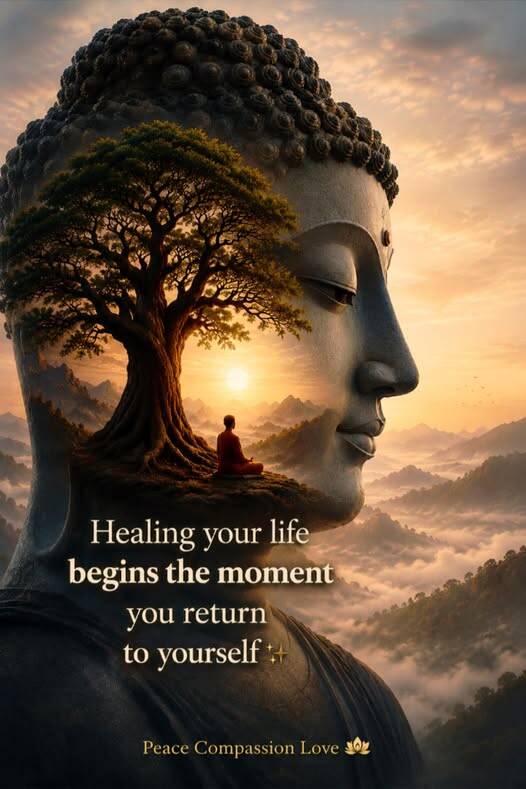
There are principles in life that shape who we become. When we ignore them—or fail to control the negative forces within us—our lives often suffer.
I was reminded of this while reflecting on the movie Snake Eyes.
After witnessing his father’s death, a young boy becomes consumed by anger, pain, and revenge. Understandably so. Hurt has a way of planting deep roots. But as life unfolds, he begins to learn a powerful truth: the path of anger and revenge leads to destruction, not healing.
How often do we allow our past pain to shape our future?
Sometimes the greatest battle we face is not with the world around us—it is within ourselves.
Our ego tells us to prove something.
Our hurt heart tells us to hold on to resentment.
Our past whispers that revenge, bitterness, or blame will somehow make things right.
But life teaches another lesson.
Healing begins when we learn to let go.
Forgiveness is not saying what happened was okay. It is freeing yourself from carrying the weight of what happened. Anger may feel powerful in the moment, but over time it steals peace, joy, clarity, and purpose.
Many lives suffer not because people are weak, but because something essential is missing:
Truth.
Self-awareness.
Forgiveness.
Emotional discipline.
The ability to release the past and move forward.
You cannot build a better future while chained to yesterday.
Growth begins the moment we stop letting negative forces control our thoughts, emotions, and decisions.
The question is:
What pain, anger, or past hurt might be keeping you from becoming the person you were meant to be?
Sometimes the strongest thing we can do is let go.
#LivingLifeOnPurpose #PersonalGrowth #Mindset #Forgiveness #Healing #SelfAwareness #Purpose #LifeLessons